asdfg
Nikhil story
My self Nikhil Rao
chakri
5 Essential Tips to keep Your Pet Healthy
Keeping your pet healthy is one of the most important responsibilities of every pet owner. Pets depend on us for their nutrition, healthcare, and daily well-being. By following a few essential care practices, you can ensure your pet lives a long, happy, and active life.
🐾 1. Schedule Regular Veterinary Checkups
Regular visits to a veterinarian help in early detection of health problems. Even if your pet appears healthy, routine checkups allow vets to identify hidden issues and provide timely treatment. Annual health exams, vaccinations, and parasite control are essential for maintaining overall pet wellness.
🐾 2. Provide a Balanced and Nutritious Diet
A healthy diet plays a major role in your pet’s growth and energy levels. Pets should be fed food that is suitable for their age, breed, and health condition. Fresh water should always be available. Avoid feeding pets leftover human food, as it may cause digestive issues and long-term health problems.
🐾 3. Ensure Daily Exercise and Activity
Regular physical activity keeps pets fit and mentally stimulated. Daily walks, playtime, and interactive toys help maintain a healthy weight and reduce stress. Exercise also prevents behavioral problems and strengthens the bond between pets and their owners.
🐾 4. Maintain Proper Hygiene and Grooming
Grooming is not just about appearance; it is essential for health. Regular bathing, brushing, nail trimming, and dental care help prevent infections and skin problems. Grooming sessions also allow pet owners to notice early signs of lumps, ticks, or injuries.
🐾 5. Keep Vaccinations and Preventive Care Up to Date
Vaccinations protect pets from serious and contagious diseases. Preventive care such as deworming, flea control, and tick treatments keeps pets safe and comfortable. Following a proper vaccination schedule recommended by your veterinarian is crucial for long-term health.
🐾 Conclusion
By providing proper nutrition, regular exercise, routine veterinary care, and preventive treatments, you can significantly improve your pet’s quality of life. At ABC Pet Clinic, we believe preventive care and early attention are the keys to keeping pets healthy and happy.

Supply Chain & Logistics in Imported Exotic Fruits
In the imported exotic fruits business, quality is defined not only by sourcing but by how efficiently the fruit moves from global farms to Indian markets. A well-managed supply chain and strong logistics network are essential to preserve freshness, reduce losses, and ensure consistent availability.
At Varadhi Inx, supply chain efficiency is central to our operations.
Why Supply Chain Matters
Exotic fruits are highly perishable and sensitive to time and temperature. Any delay or improper handling can impact shelf life and market value.
An efficient supply chain helps ensure:
• Consistent freshness and quality
• Reduced transit losses
• Reliable availability for retailers and wholesalers
Cold-Chain Logistics: Preserving Freshness
Cold-chain logistics play a critical role in maintaining fruit quality during transit. Temperature-controlled handling from origin to destination helps retain taste, texture, and nutritional value.
Our logistics approach focuses on:
• Temperature-controlled transportation
• Minimal port dwell time
• Efficient port-to-market movement

From Port to Market
Once imported, fruits must reach markets quickly. Efficient customs clearance, coordinated domestic logistics, and regional distribution planning help reduce delays and maintain product integrity.
By aligning imports with real market demand, Varadhi Inx ensures faster turnover and reduced wastage.
Our Approach at Varadhi Inx
We combine global sourcing expertise with strong logistics coordination to create a reliable supply chain. Our focus is on consistency, transparency, and long-term partnerships with retailers and distributors.
Conclusion
In exotic fruit imports, supply chain and logistics are more than operational processes—they are key drivers of quality and trust. Through efficient planning and cold-chain management, Varadhi Inx continues to support India’s growing demand for premium imported fruits.

Top 10 Exotic Fruits in Demand in India (2025 Market Insights)
Introduction
India’s fruit consumption landscape is undergoing a major transformation. With rising disposable incomes, increasing health awareness, and exposure to global food trends, Indian consumers are steadily shifting towards exotic and premium fruits. What was once considered niche is now becoming mainstream in urban households, cafés, hotels, bakeries, and modern retail chains.
By 2025, the demand for exotic fruits in India is expected to grow even further, driven by wellness trends, quick-commerce platforms, and premium food experiences. This blog highlights the top 10 exotic fruits in demand in India, along with key market insights shaping their growth.
Why Exotic Fruit Demand Is Rising in India
Several factors are fueling the growing demand for exotic fruits:
• Increased focus on health, fitness, and nutrition
• Urban lifestyle changes and global food exposure
• Influence of social media and international cuisines
• Growth of premium supermarkets and quick-commerce platforms
• Expanding HoReCa (Hotels, Restaurants, Cafés) sector
Tier-1 cities currently dominate demand, but tier-2 cities are catching up rapidly.
Top 10 Exotic Fruits in Demand in India
- Blueberries
Blueberries have become one of the fastest-growing exotic fruits in India. Known as a superfood, they are widely consumed by health-conscious individuals.
Why demand is rising:
• High antioxidant content
• Popular in smoothies, breakfast bowls, and desserts
• Strong demand from cafés and bakeries
Major markets: Delhi, Mumbai, Bengaluru, Hyderabad, Chennai

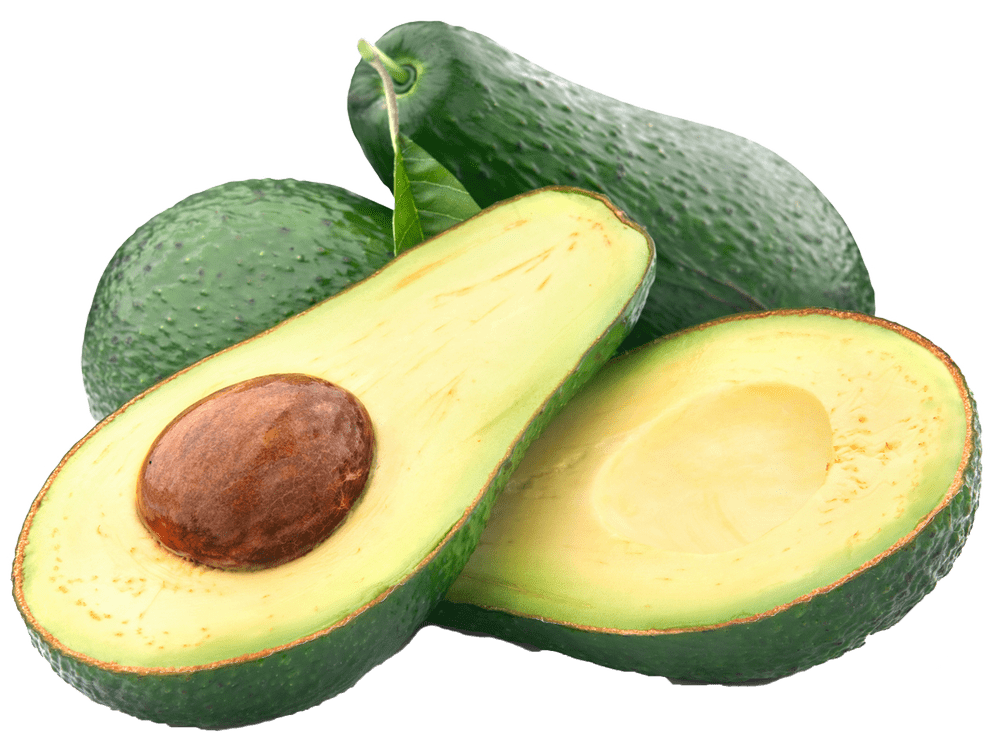
- Avocado
Avocado demand in India has seen consistent growth, especially among fitness enthusiasts and premium cafés.
Key drivers:
• Healthy fats and nutritional benefits
• Popular in toast, salads, and continental dishes
• High usage in cafés and cloud kitchens
Market trend: Premium pricing but stable demand year-round
- Dragon Fruit
Dragon fruit has transitioned from an exotic novelty to a regular purchase for many Indian households.
Why it performs well:
• Attractive appearance
• Affordable compared to other exotic fruits
• Increasing domestic cultivation alongside imports
Demand spread: Tier-1 and tier-2 cities

- Kiwi
Kiwi remains one of the most consistently consumed exotic fruits in India.
Reasons for strong demand:
• Familiar taste and easy consumption
• Widely used in fruit bowls and desserts
• Good shelf life compared to berries
Peak demand: Winter season

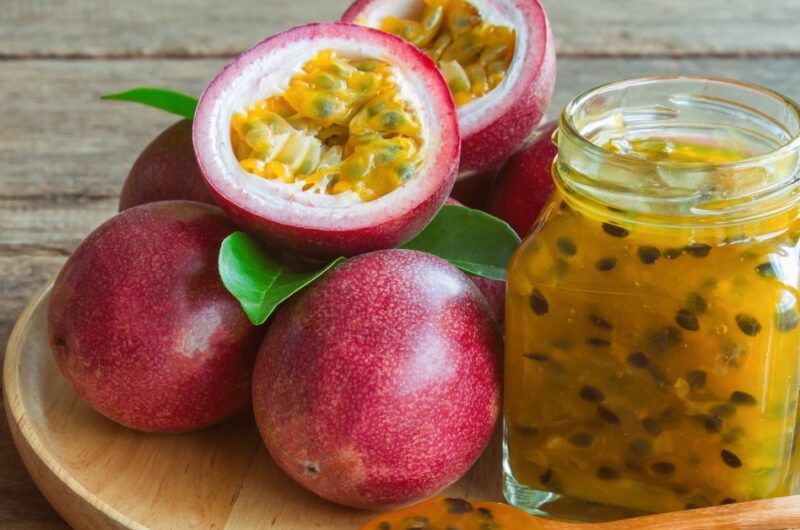
- Passion Fruit
Passion fruit is a premium exotic fruit with strong demand from the HoReCa and beverage industry.
Usage includes:
• Juices and mocktails
• Desserts and sauces
• Gourmet food preparations
Market insight: Limited supply keeps prices premium
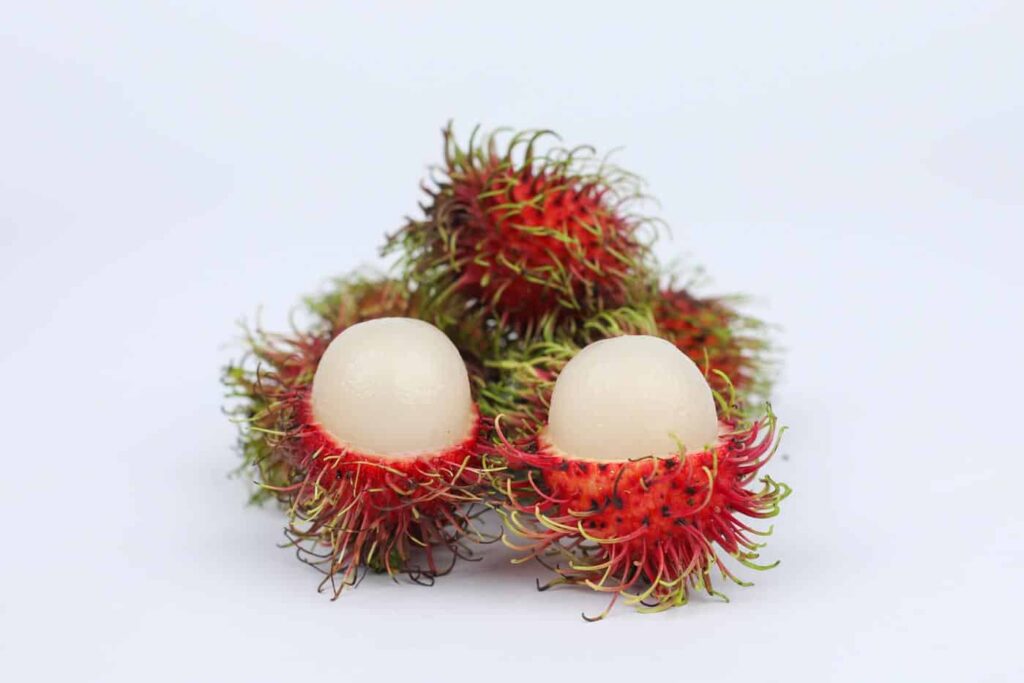
- Rambutan
Rambutan is a seasonal exotic fruit that enjoys high demand during its availability window.
Why it sells well:
• Sweet taste and unique appearance
• Popular in premium retail
• Strong demand in metro cities
Challenge: Short season and shelf life
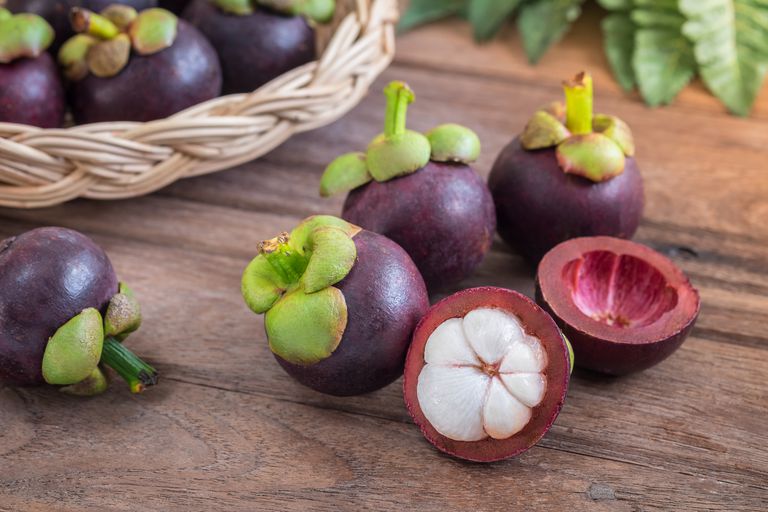
- Mangosteen
Often referred to as the “queen of fruits,” mangosteen occupies a luxury segment in India.
Key characteristics:
• Premium pricing
• High demand among niche consumers
• Short shelf life
Market type: High-margin, low-volume fruit
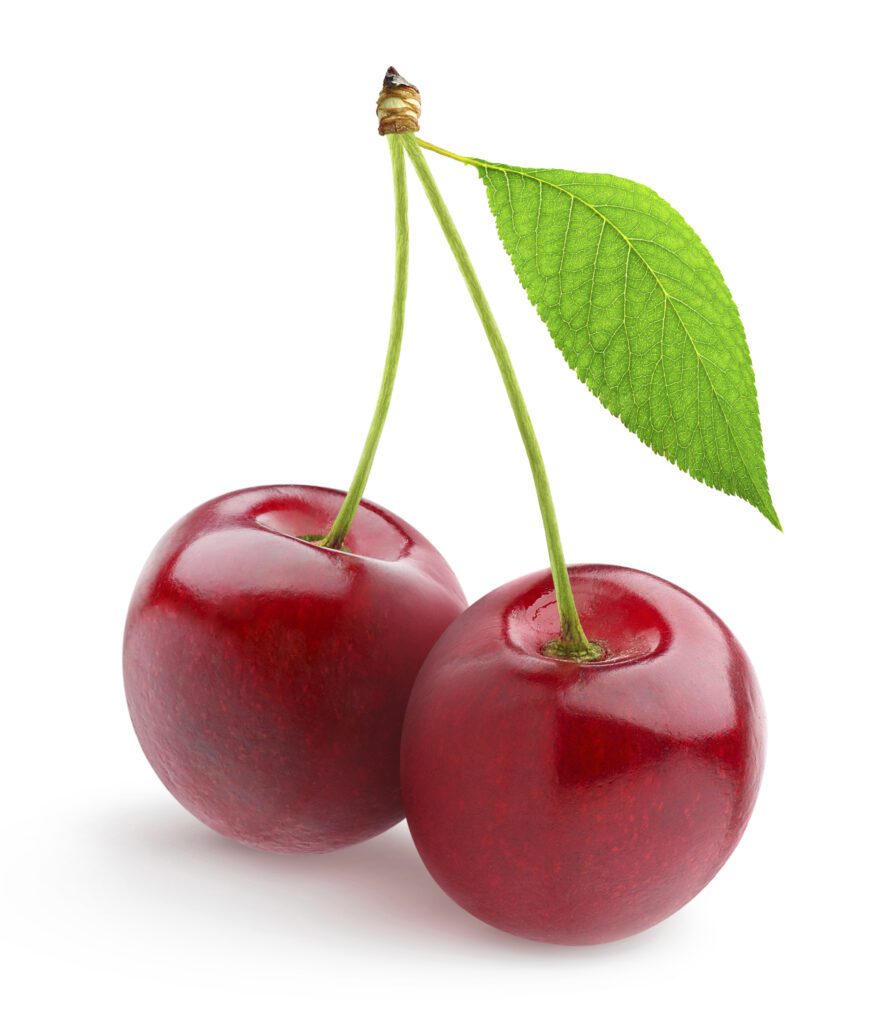
- Cherries
Cherries experience strong seasonal demand spikes in India.
Why cherries are popular:
• Premium gifting fruit
• High usage in desserts
• Strong demand during limited seasons
Challenge: Price sensitivity and cold-chain dependency
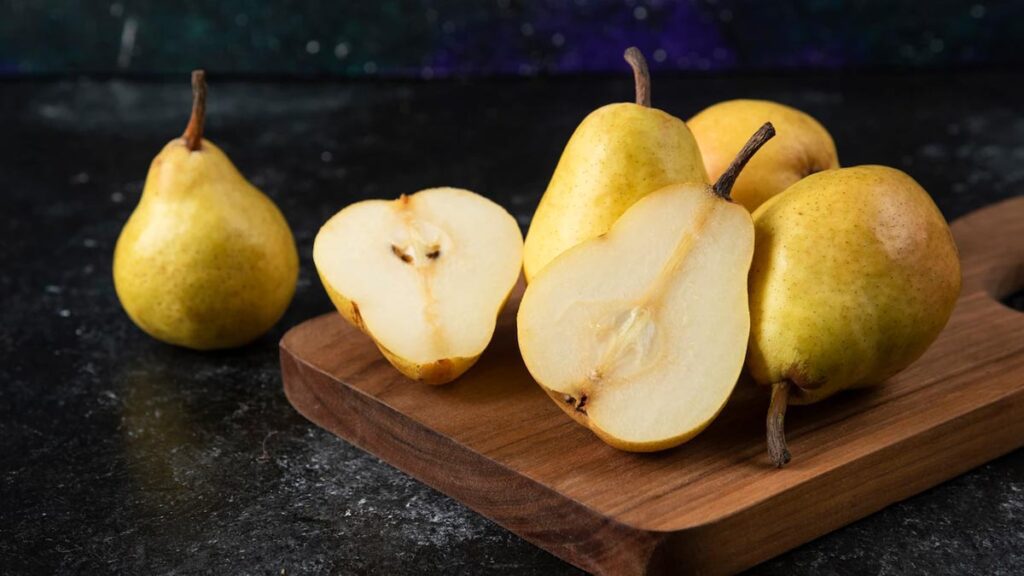
- Imported Pears
Imported pear varieties have steady demand across modern retail stores.
Why they perform consistently:
• Longer shelf life
• Familiar fruit category with premium positioning
• Regular household consumption
Market trend: Stable, repeat purchases
- Exotic Pomegranate Varieties
Exotic and export-quality pomegranates are gaining popularity due to health benefits and visual appeal.
Demand drivers:
• High nutritional value
• Use in juices and wellness diets
• Premium retail acceptance
Market outlook: Growing steadily

2025 Market Insights for Exotic Fruits in India
Looking ahead to 2025, several trends will shape the exotic fruit market:
• Tier-1 cities will remain the largest consumers
• Tier-2 cities will show rapid growth
• Buyers will prioritize quality, consistency, and freshness
• Direct sourcing and efficient logistics will gain importance
• Reliable importers and suppliers will outperform traditional middle markets
The focus is shifting from price-only decisions to value and reliability.
Challenges in the Exotic Fruit Market
Despite strong growth, the market faces challenges:
• High cold-chain and logistics costs
• Short shelf life for many fruits
• Import dependency for consistent supply
• Price fluctuations due to seasonality
Efficient supply chain management is critical to overcoming these hurdles.
Conclusion
Exotic fruits are no longer a niche category in India. By 2025, they are set to become an integral part of modern Indian consumption patterns. Fruits like blueberries, avocados, dragon fruit, and cherries are driving this transformation, supported by evolving consumer preferences and improved availability.
Businesses that focus on quality sourcing, cold-chain efficiency, and consistent supply will lead India’s exotic fruit market in the coming years.

Why Blueberries Are One of the Most In-Demand Exotic Fruits in India
Introduction
Blueberries have rapidly transformed from a niche imported fruit to one of the most sought-after exotic fruits in India. Once limited to luxury hotels and premium supermarkets, blueberries are now widely consumed by health-conscious individuals, fitness enthusiasts, cafés, bakeries, and modern households.
With rising awareness about nutrition, clean eating, and global food trends, Indian consumers are increasingly choosing blueberries for their health benefits, taste, and versatility. This growing demand has positioned blueberries as a key product in the exotic fruit segment of the Indian market.
This blog explores why blueberries are in such high demand in India, their benefits, uses, and how they reach Indian consumers.
What Are Blueberries?
Blueberries are small, round berries known for their deep blue to purple color and slightly sweet taste. They are native to North America and parts of Europe and are globally recognized as a superfood due to their high nutritional value.
In India, blueberries are primarily:
• Imported fresh through cold-chain logistics
• Imported frozen for year-round availability
Both forms are widely used across retail, food service, and hospitality sectors.

Nutritional Value of Blueberries
Blueberries are packed with essential nutrients while being low in calories. Key nutritional highlights include:
• Rich in antioxidants
• Good source of Vitamin C
• High in dietary fiber
• Naturally low in fat and calories
This nutrient profile makes blueberries suitable for daily consumption and popular among health-focused consumers.
Health Benefits of Blueberries
The popularity of blueberries in India is closely linked to their health benefits:
• Supports immunity due to antioxidant content
• Promotes digestion with natural fiber
• Supports heart and brain health
• Helps maintain healthy skin
• Suitable for weight-conscious diets
Because of these benefits, blueberries are commonly included in smoothies, breakfast bowls, and wellness diets.
How Blueberries Are Used in India
Blueberries are highly versatile and used across multiple segments:
Home Consumption
• Smoothies and juices
• Breakfast bowls and oatmeal
• Yogurt toppings and snacks
Cafés & Bakeries
• Blueberry cheesecakes
• Muffins, pancakes, and pastries
• Smoothie bowls and desserts
Hotels & Restaurants
• Gourmet desserts
• Continental breakfast spreads
• Fusion dishes
This wide range of uses has significantly contributed to their growing demand.

Growing Demand for Blueberries in India
Several factors are driving the increasing demand for blueberries:
• Rising health awareness among urban consumers
• Growth of fitness culture and wellness lifestyles
• Influence of social media food trends
• Expansion of premium retail and quick-commerce platforms
• Increasing use by cafés, cloud kitchens, and bakeries
Major demand comes from tier-1 cities such as Delhi, Mumbai, Bengaluru, Chennai, and Hyderabad, with demand steadily expanding into tier-2 cities.
How Blueberries Reach the Indian Market
The journey of blueberries from farms to Indian consumers involves:
• Sourcing from global blueberry-producing regions
• Maintaining strict cold-chain logistics
• Quality checks and food safety compliance
• Distribution to retailers, wholesalers, and food service partners
Efficient sourcing and logistics are crucial to maintaining freshness, quality, and shelf life in the Indian climate.

Challenges in Blueberry Supply
Despite rising demand, the blueberry market faces several challenges:
• High logistics and cold-storage costs
• Limited shelf life for fresh blueberries
• Price sensitivity in some markets
• Dependence on imports for consistent supply
Reliable sourcing and supply chain management play a critical role in overcoming these challenges.
Conclusion
Blueberries have firmly established themselves as one of the most in-demand exotic fruits in India. Their strong health benefits, versatile usage, and growing acceptance among Indian consumers continue to drive market growth.
As demand rises, the role of dependable importers and suppliers becomes increasingly important in ensuring consistent availability and premium quality. With the right sourcing and distribution strategies, blueberries are set to remain a key product in India’s expanding exotic fruit market.